Race your friends
Find someone running the same 10-miler and race the training. Same buy-in each; most miles or first to the distance takes the pot.
The distance between a 10K and a half, and the first one where fuelling actually matters. Two complete plans below — eight weeks from a 10K base, ten weeks from a 5K base — with every run written out and the long run climbing from 6 miles to 9.
Free · no signup · printable · two plans, 32 and 34 runs
It is the most under-rated distance in running and almost nobody writes a proper plan for it.
A 10K is over in under an hour for most people, which means you can muscle through it on fitness alone. A half marathon is a genuine project. Ten miles sits in between: long enough that the race has to be paced and fuelled properly, short enough that the training block does not take over your life.
Take the 8-week plan if you can already run a 10K without it being an event. Take the 10-week plan if your longest run right now is around a 5K. Both finish in the same place; the ten-week version just spends longer getting you there.
Four runs a week: two easy, one quality session, one long. Keep the long run on its own day with rest either side of the quality session.
Weekly mileage runs 16 → 17 → 20 → 16 → 21 → 22 → 17 → race. The bold weeks go backwards on purpose; skipping them is how week 6 becomes an injury instead of a peak.
Three runs a week to start, with a fourth appearing in week 3. If anything hurts when that fourth day arrives, stay at three — you will still finish. The long run does the work either way.
Three cutback weeks sit between these, which is why the line is a staircase rather than a ramp.
Everything else in the plan exists to let you keep doing this one run. If a week collapses and you can only save one session, save the long run.
It stops at nine deliberately. The tenth mile costs more in recovery than it returns in fitness, and race day supplies it for free — the same call almost every mainstream half-marathon plan makes at twelve.
From week 3 onwards, treat it as a dress rehearsal: same shoes, same breakfast, same fuel at the same intervals. By the peak there should be nothing about race morning you have not already tested.
This is the section no other 10-mile plan bothers to write, and it is the reason this distance catches people out.
Under about 75 minutes you can run on what is already stored in your muscles and liver. Ten miles at a first-timer’s pace is 90 to 110 minutes, which puts you past that line — and the way it fails is not a dramatic collapse, it is the last two miles feeling inexplicably awful while your legs seem fine.
Practise all of it from week 5 of the 8-week plan, or week 6 of the 10-week one. The only real rule is the oldest one in racing: nothing new on race day.
If your stomach objects to gels — plenty of people’s do — chews, dried fruit, a sports drink or even sweets all work. The carbohydrate does not care what shape it arrives in. What matters is that you have practised it at race pace, because your gut tolerates things at a jog that it will not tolerate at effort.
The last row is the real rule. Every gel, drink and breakfast on this page should have been tested on a long run before it appears on race morning, because your stomach tolerates things at a jog that it will flatly refuse at race effort.
Ten miles punishes a fast start more than a 10K does and less than a half does, which makes it the best distance to learn pacing on.
Your target is roughly your 10K pace plus 15 to 25 seconds per mile. Find a goal finish time below and run the right-hand column.
| Goal finish | Goal race pace | Run the first 3 miles at |
|---|---|---|
| 1:50 | 11:00 / mi | 10:30 – 10:45 / mi |
| 1:40 | 10:00 / mi | 9:30 – 9:45 / mi |
| 1:30 | 9:00 / mi | 8:35 – 8:50 / mi |
| 1:20 | 8:00 / mi | 7:35 – 7:50 / mi |
| 1:10 | 7:00 / mi | 6:40 – 6:50 / mi |
Run the first three miles slower than goal pace. That is the whole strategy. Adrenaline makes race pace feel like jogging for the first fifteen minutes, and every mile you bank early is repaid with interest after mile seven.
The race is decided between miles 7 and 10. If you arrive at mile 7 still feeling like you are working moderately, you paced it correctly and you will pass people for the rest of the way. If you arrive there already hanging on, the last three miles will be the longest of your life.
| Race | Where | When | Worth knowing |
|---|---|---|---|
| Cherry Blossom Ten Mile | Washington, DC | Early April | Lottery entry; flat and fast, runs under the blossoms. |
| Broad Street Run | Philadelphia, PA | Early May | One of the largest 10-milers in the US. Net downhill, straight down Broad Street. |
| Crim Festival of Races | Flint, MI | Late August | The famous one. Bradley Hills in the middle break people who went out fast. |
| Army Ten-Miler | Washington, DC | October | Big field, flat, finishes at the Pentagon. |
Work backwards from the date. Eight or ten weeks before race day is the start of your block, and it is worth adding a spare week at the front for the cold that always arrives at the wrong time.
Both schedules print on two pages with the site chrome stripped out. A plan on a fridge gets done more often than a plan in a tab.
Thirty-two runs over eight weeks is not a fitness problem. It is an attendance problem, and the week it usually goes wrong is week 4 — far enough in that the novelty is gone, far enough out that race day is not yet real.
RunMatch lets you put your own money on completing the block. Hit it and the stake stays yours. Miss it and it goes to a recipient you named in advance — never to us, because RunMatch takes 0% of the pot. Or find someone else running the same race and race each other through the training for a pot.
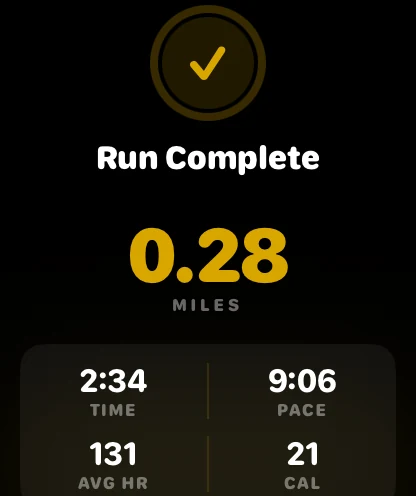
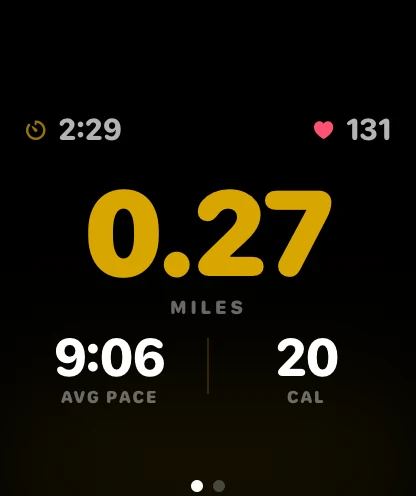
Free to download, free to race friends, 0% of the pot, 3% when you withdraw. Requires an iPhone and an Apple Watch — runs without Apple Watch heart-rate data are rejected. The plans above are free either way.
Find someone running the same 10-miler and race the training. Same buy-in each; most miles or first to the distance takes the pot.
Or stake your own money on completing all 32 runs. Miss it and the money goes to the person you named, never to RunMatch.
Same format on all of them: every session written out, free, printable, no email.
Print the plan and start Monday, or put money on finishing the block and give week four a reason to happen.
Get RunMatch — run 1 mile, get $10One $10 first-mile reward per new account · 18+ · iPhone and Apple Watch required · Terms apply